Twitter

Monday, September 30, 2013

OBSERVING REPORT

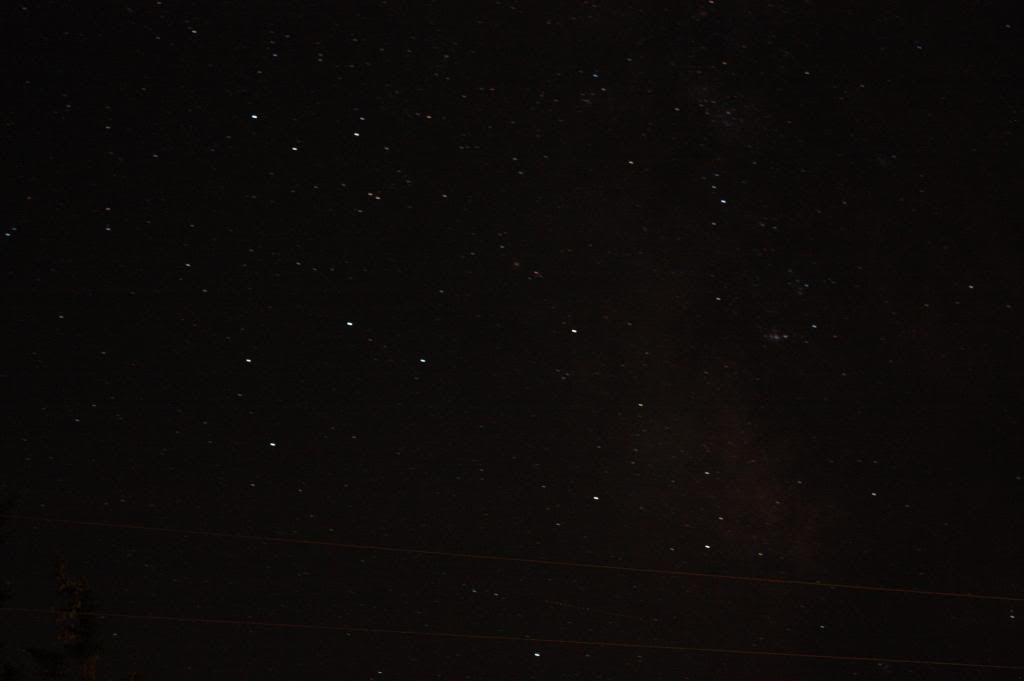
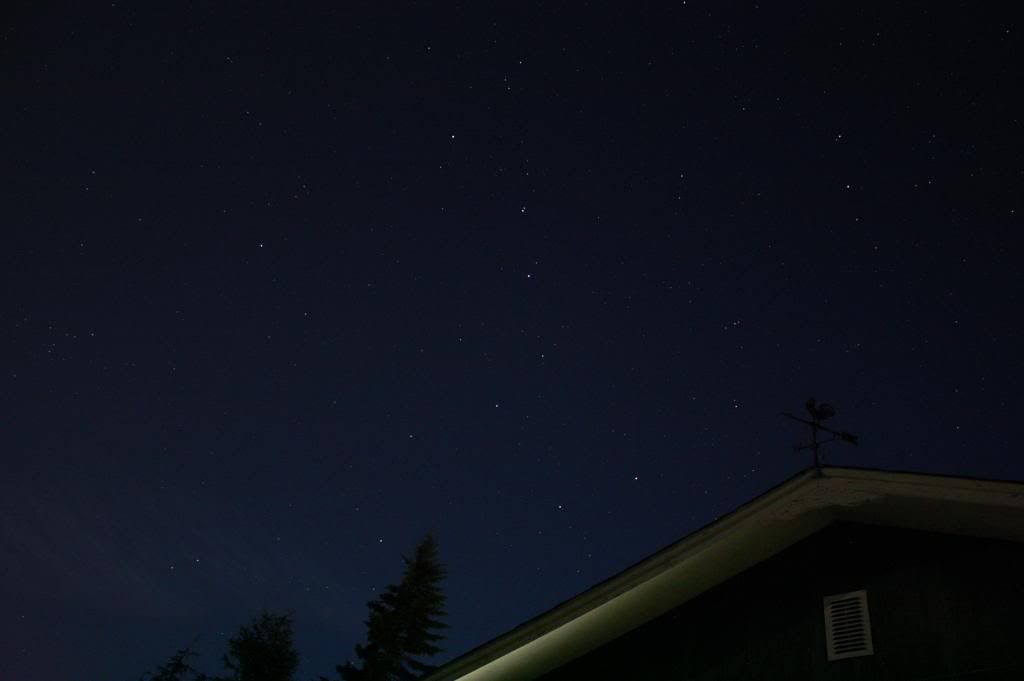
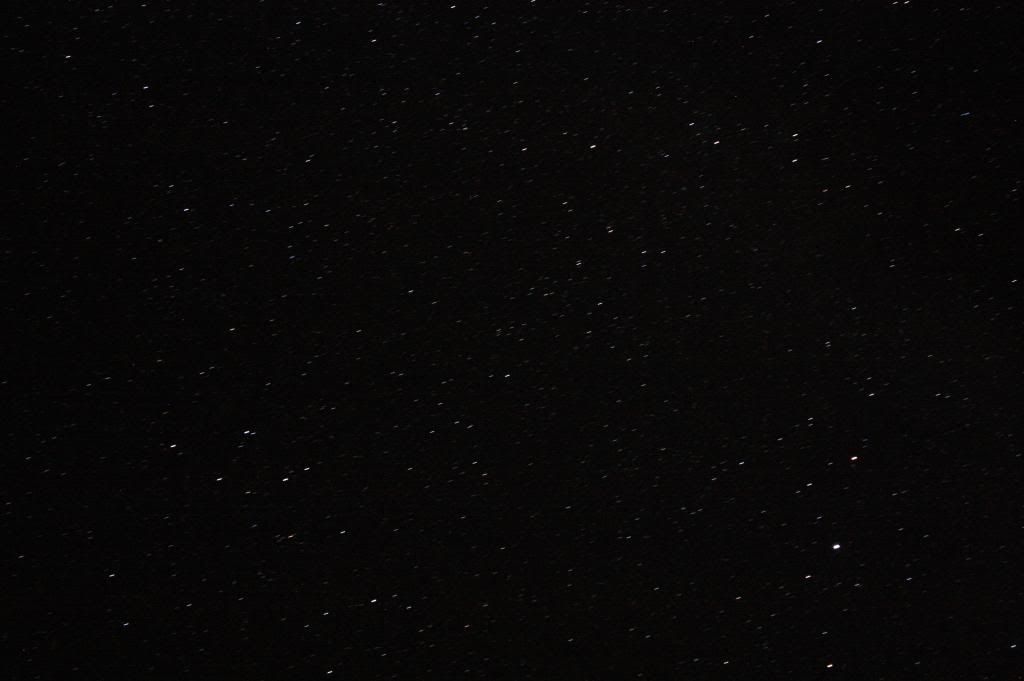
Delphinius, Sagitta, and Altair, Canon Rebel Xsi with 18-55mm lense, 25 second exposure, ISO 1600
Sagittarius and M8 Canon Rebel Xsi with 18-55mm lens, 25 second exposure, ISO 1600

Date Time:  September 27, 2013 2030-2100hrs

Location:  Little Lepreau Basin, Little Lepreau, NB

Weather:  8 degrees Celsius, clear no wind

Equipment:  Canon Rebel DSLR camera with 18-55mm lens, 20x80 binoculars, and tripod.

Attendance:  Myself

Objective:  To locate, view and image M8 The Lagoon Nebula.

Report:  The weather and viewing conditions on this evening were almost perfect.  No flies, no wind and it was almost as comfortable as sitting in the living room, although were was some dew on everything when the equipment was brought in.

Sagittarius was the prime target area on this evening because it will not be up in the evening much longer.  With the prevailing weather and bug situation being what it has been, this constelation is a rare treat to view, as it lies in the direction of the center of our Galaxy.  This is important because that is where a lot of nice deep sky obects lie.  Objects like M8, M20 and M17.

The camera was set up first for a long exposure image of Sagittarius, which was low in the SSW at around 2030hrs.  It after the first 25 second exposure image was taken then observed in the digital view finder of the camera, when M8 was first observed.  After viewing the image, a mental note of where M8 was located was made so that further observing with the binoculars later. 

After imaging Sagittarius, the camera was pointed in the direction of Dephinius, Sagita and the bright star Altair.  This area was important, because there was a bright super nova in this region about a month ago.  A 25 second exposure was taken of this area.

At this point the 20x80 binoculars where set on the tripod.  M8 was located and observed, to the west of Sagittarius.  It showed up nicely in the binos as a bluish, reddish cloud that looked like a smaller M42.  After scanning this area, it was impressive how many stars show up in the milky way cloud.

After viewing Sagittaruius in the binos, Cassiopeia and M31 were the next target areas.  The viewing was so good that M31 could easily be seen with the naked eye.  With averted vision the whole galaxy showed up, which was shocking to see how big it really is.  It is easily bigger than the full Moon, although really dim, it is a sight that will not be soon forgotten, for it is rare for the conditions to be good enough to find this deep sky object with the naked eye.  Actually, this is how this observer determines how good the viewing conditions are...If you can find M31 with the naked eye, you have an excellent night for observing.

While scanning M31 with the binos, two satelites went right through the viewer.  They could not be seen with the naked eye, but would only show up in the binos.

A rather dim shooting star was observed, going from west to south east high over head.

Tuesday, July 16, 2013

OBSERVING REPORT JULY 15, 2013


Location:  Little Lepreau, NB

Date Time:  July 15, 2013 2120-2330hrs

Weather:  No Wind, mostly clear except for some high level haze, humid, 18 degrees Celsius.  Lots of mosquitos.

Equipment:  Meade LX200 8 inch telescope with 2 inch 32mm eyepiece.  CT3000 Planetary Imager, Canon Rebel DSLR camera with 18-55mm and 75-300mm lenses, laptop.

Objective:  To try out 'new to me' planetary imager for first time.

Report:  Venus was observed low in the NW just after sundown.  It was behind some trees, so it took some moving around to finnally see it.  Venus was too far north of the Moon-Spica-Saturn conjunction and hidden by trees to get a good image of it with the conjunction.

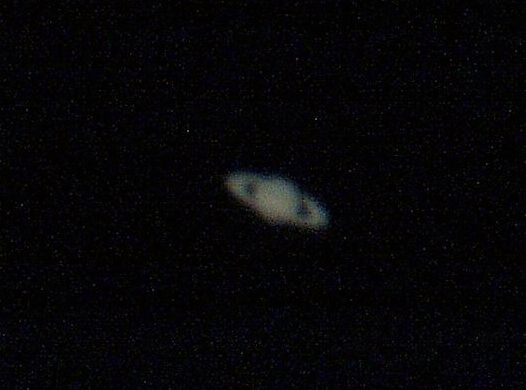
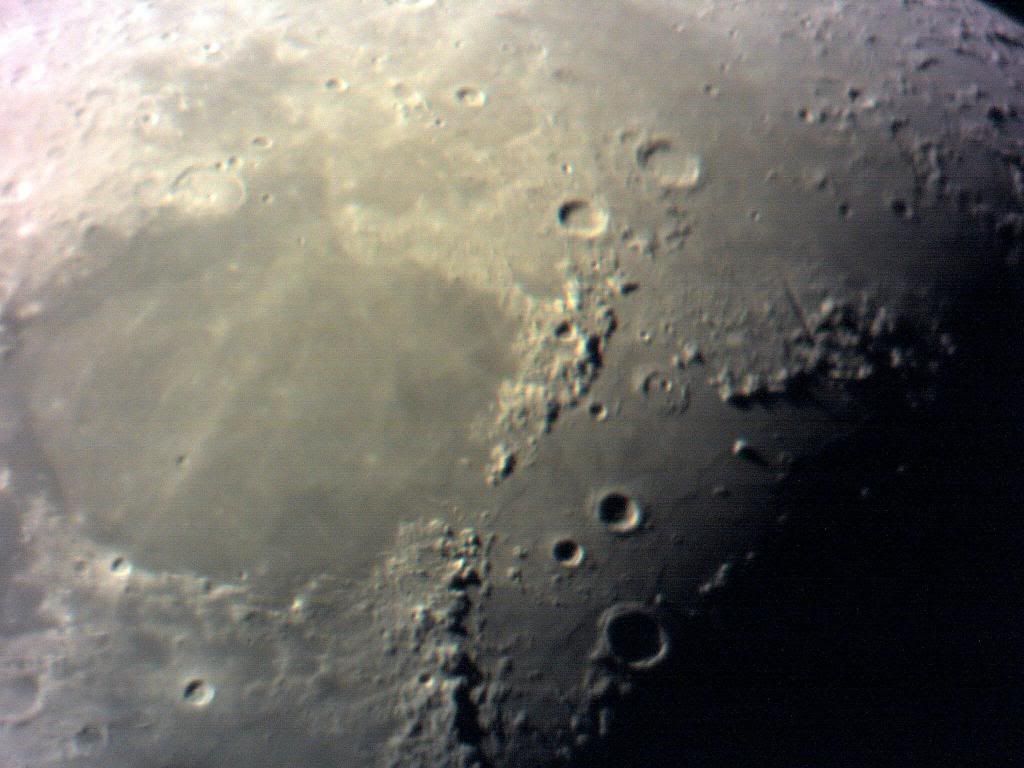
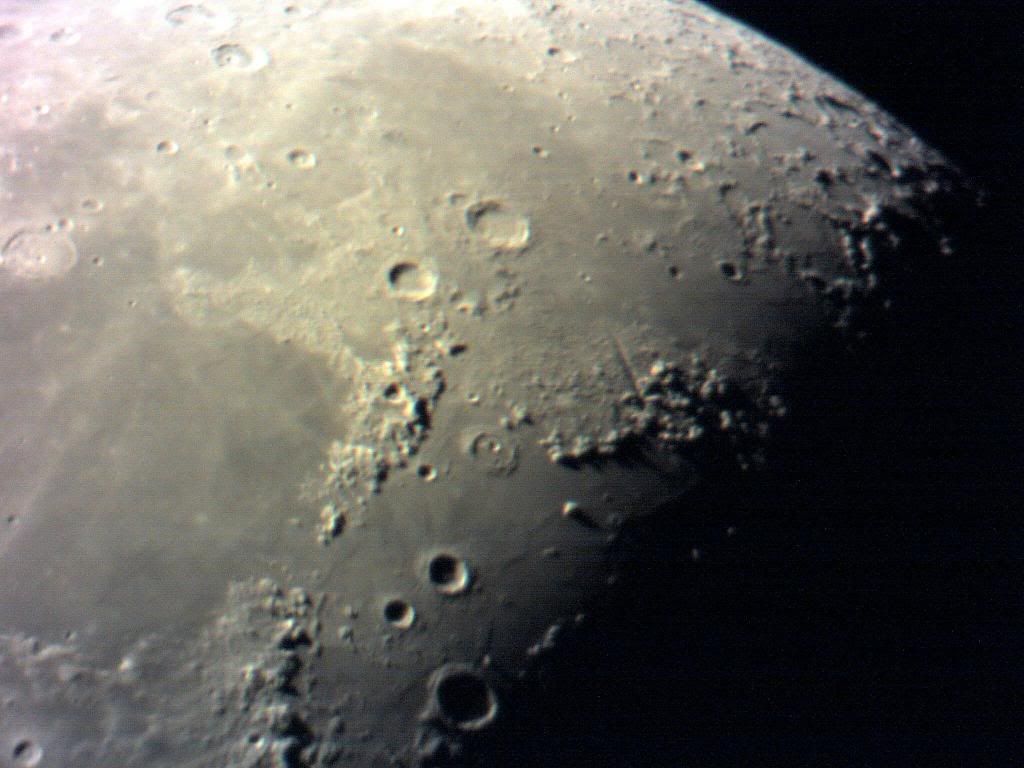
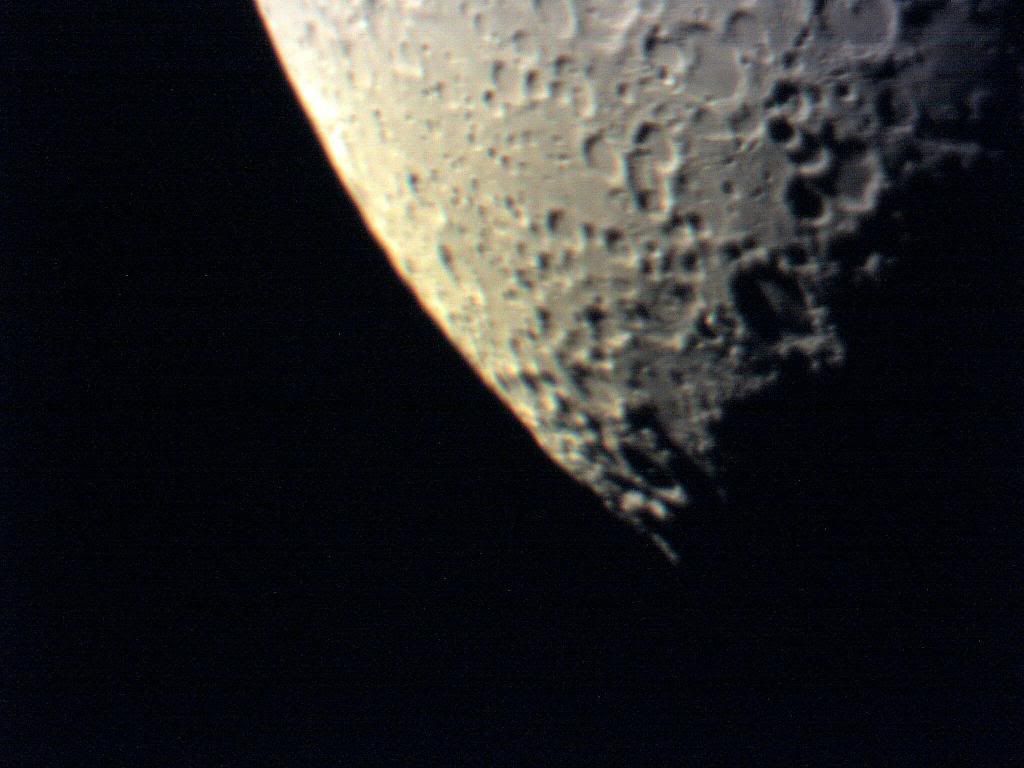
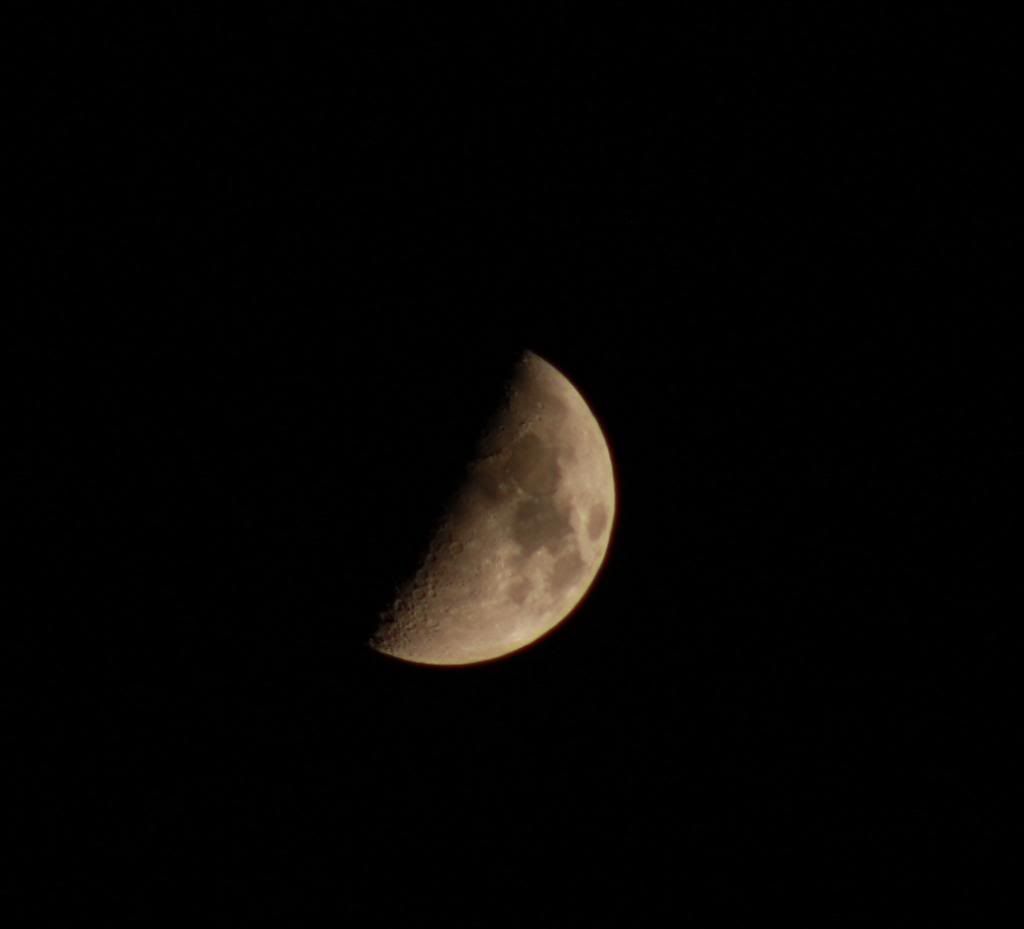
Viewing the Quarter Moon through the telescope and 32 mm eyepiece, many craters and features could be clearly seen.  The scope was then manually pointed at Saturn.  Two of Saturns moons were observed and the degree of seperation of the rings were very impressive.  Goto was not used on this night.

The Big Dipper was observed high in the NNW just over the peak of the house, from the front yard, and an image was taken.  Leo, was observed almost due south and imaged.  Cassiopea was observed in the NE but not imaged.

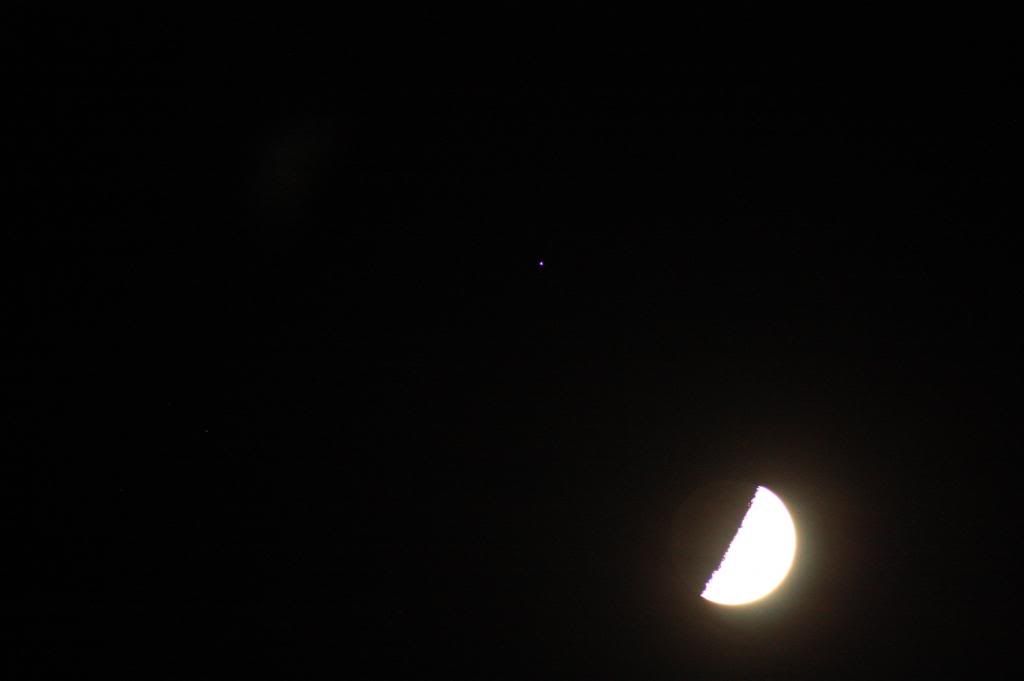
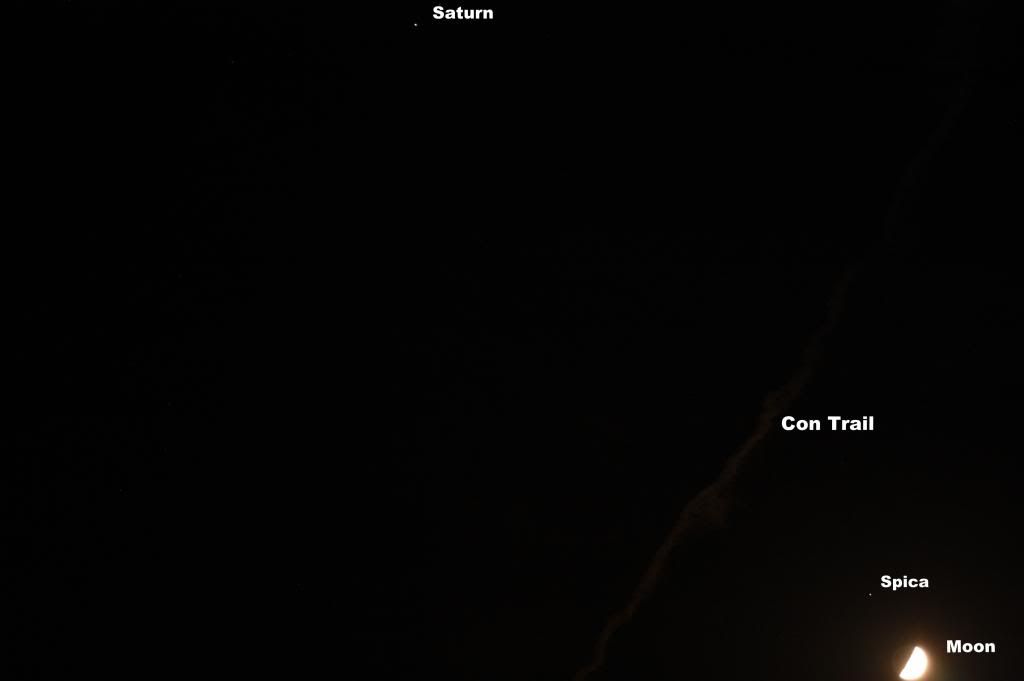
The Quarter Moon-Spica-Saturn conjunction was the highlight of the night.  Many images were taken.  The new to me CT3000 Planetary Imager was used for the first time.  After much tinkering to get it to work with the laptop(on a previous occassion) the imager worked excellent.  It hooked up easily and was simple to work with, providing many excellent images.  CCD cameras are very expensive, so this relatively inexpensive planetary imager is a very good alternative for astro imagers on a budget, in my opinion.

No shooting stars or satelights were observed on this evening.  Probably one of the warmest nights of the year for observing.


Tuesday, May 28, 2013

MAY 2013 CONJUNCTION

Location: Maces Bay, NB

Date Time: May 27, 2013 2100-2200hrs

Weather: At 2000hrs clouds were starting to clear, temps 18 degrees Celsius, by 2100hrs it was mostly clear and the sun had set, with a light breeze. By 2200hrs, it was clear, no wind, temperature went down to 7 degrees Celsius, with the weather stations calling for frost over night.

Equipment: Canon DSLR camera and 75-300mm lens, tripod.
  
Objective: To Image Jupiter-Venus-Mercury conjunction.

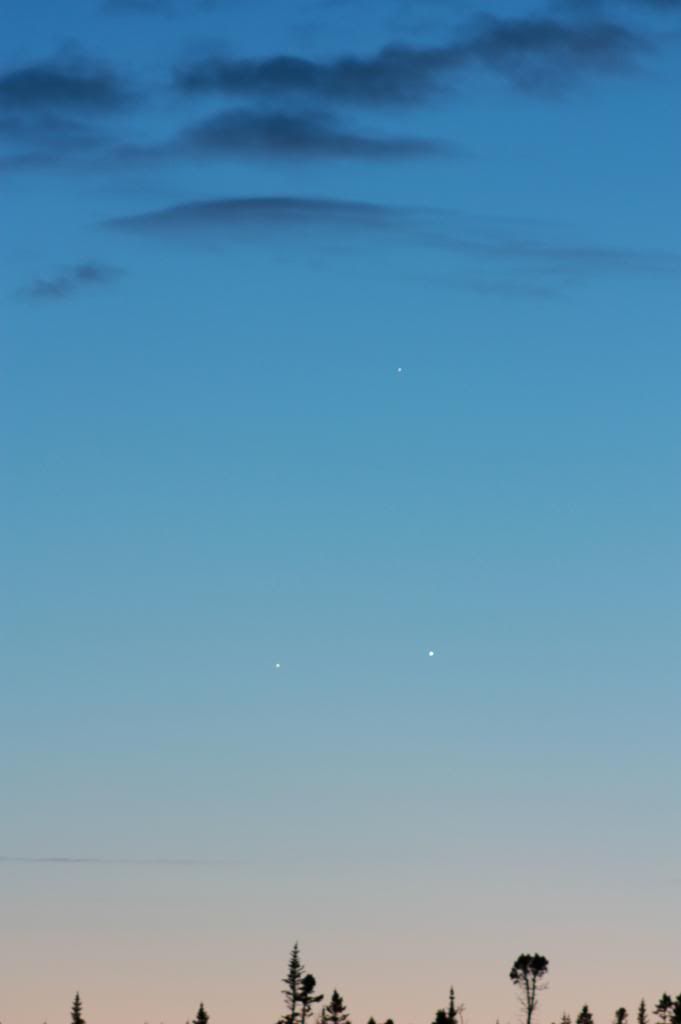
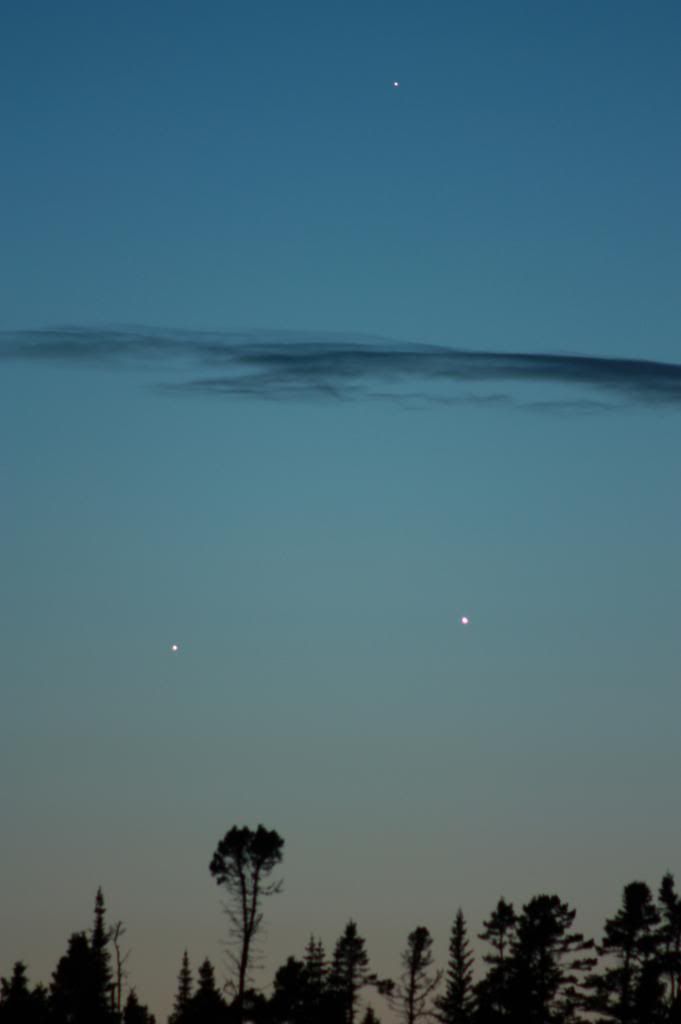
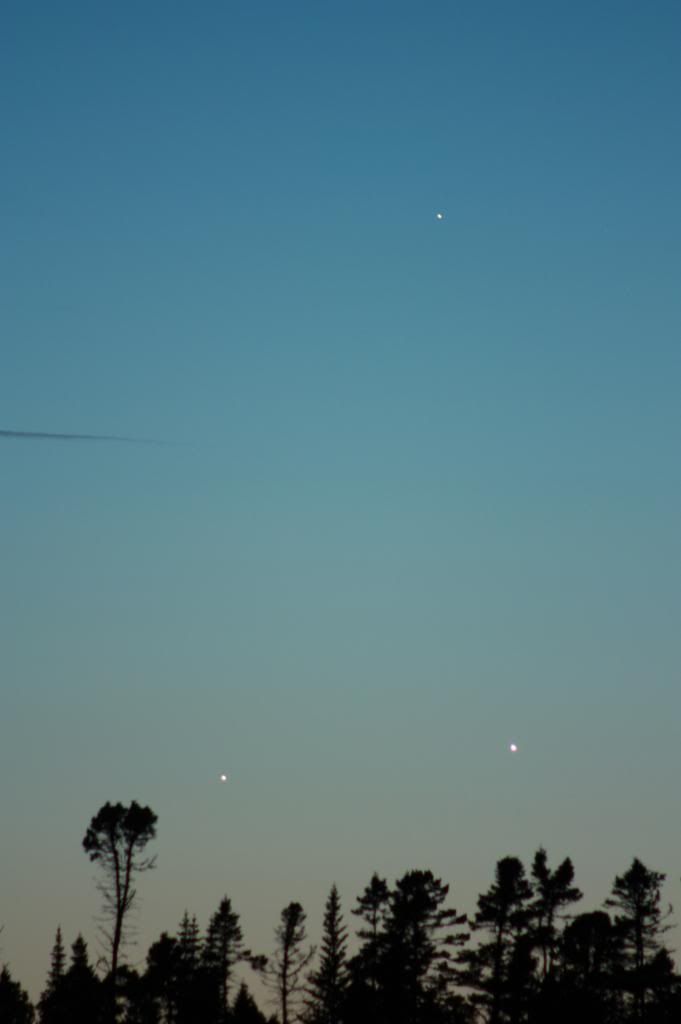
Report: The cloudy weather started to break up in the afternoon to give a nice evening for observing the western sky.  After arriving around 2100 on a beach near Maces Bay, no stars were seen, as it was still too bright out...the sun had just set.  Watched the sky until 2122hrs, that was when Venus seemed to pop out.  Jupiter came into view shortly after this, then at 2132 hrs, a very dim mercury came into view.  At last, the elusive trio were finally viewed by this observer!


2122hrs
2135hrs
2140hrs
Jupiter-Bottom Left...Venus Bottom Right...Mercury on Top.  2150hrs

Monday, May 27, 2013

OBSERVING REPORT FOR MAY 26, 2013

Location: Maces Bay, NB

Date Time: May 26, 2013 2100-2200hrs

Weather: 8 degrees Celsius, no wind, humid, mainly cloudy except for narrow breaks in rain clouds. Clouds did not seem to move.

Equipment: Canon DSLR camera, 18-55mm and 75-300mm lenses, tripod, images processed on photobucket.com

Objective: To image the Jupiter-Venus-Mercury conjunction.

 Report: It rained for the last 5 days straight with absolutely no breaks in the clouds, however, the clouds started to breakup on Monday May 26. Went down to the beach and there were very narrow bands of slightly clear skies. After about 10 minutes of seeing no planets or stars, a bright 'star' shone through between the clouds. After a few minutes another, dimmer planet appeared slightly to the left of where the first planet was seen. By this time, the first planet went behind the clouds.

A few images were taken at this time, until the slow moving clouds covered this planet. Was not sure at this time which planet it was, but after looking on the astronomy.com star-dome, it was determined that that the planet to the left was Jupiter and to the right and lower in the sky was Venus. Mercury was not seen, according to the star-dome, it should have been above Venus.
Interesting cloud formation
Cloudy skies make it hard to see conjunctions
Two of the three conjunction planets showed up in this image

BIRDS AROUND HOME

Location: Little Lepreau, NB

Date Time: May 27, 2013 Times vary

Equipment: Canon DSLR camera, 75-300mm lens, images processed on photobucket.com

Blue Jay
Blue Jay
Gorby
Unknown
Robin
Hummingbird
Jem and two Blue Jays
Blue Jays

Wednesday, May 22, 2013

OBSERVING REPORT MAY 21, 2013

Location: Maces Bay, NB

Date Time:  May 21, 2013 2149hrs


Weather:  14 degrees Celsius partly cloudy, almost no wind, lots of moisture in air.  Clouds moving slowly from SW to N.

Attendance:  Myself


Equipment:  Canon DSLR camera, 75-300mm lens, image processed at http://s1115.photobucket.com/


Objective:  To capture an image of and view the Jupiter-Venus-Mercury conjunction

Report: The stated objective was not met, because Mercury was not visible, either by the naked eye, or after processing the images.  Jupiter and Mercury did peak out momentarily from behind the dark, wispy clouds that hung low in the west at sundown.  The rest of the sky was relatively clear, but there seemed to be a lot of moisture in the air.  Viewing was not ideal.


Tuesday, May 14, 2013

OBSERVING REPORT

Location:  Morning-Little Lepreau, NB.  Evening-Dartmouth,  NS

Date Time:  May 13, 2013 1000-1130hrs and 2015-2030hrs Atlantic Standard Time

Weather:  Morning in Little Lepreau- started off cool, 11degrees Celsius, slightly hazy to clear, very light breeze then around 1030 wind picked up to a gusty state.  By 1130 there were solid 30mph southerly winds.  By 1300 winds may have passed 50mph.
Evening in Dartmouth-warm, approximately 20 degrees Celsius, intermittent rain clouds coming from south to north partially blocked view of western sky.  No wind, kind of humid.

Attendance:  Myself

Equipment:  Canon DSLR camera with tripod, 75-300mm lens, 8 inch Meade LX 200 telescope.

Objectives:  To capture images of sunspots with DSLR camera and the new planetary imager.  To capture the conjunction between the crescent Moon and Jupiter.

Report:  The morning session was greatly affected by high gusty winds, which picked up from next to nothing to over 50mph sustained winds, from the south by noon.  The very solid tripod for the telescope greatly helped, although many images were blurred due to the shaking.  

It was known that there were going to be winds, but the forecast also called for mainly clouds, so was pleasantly surprised to see it nice and clear and sunny at 0930 although it was cool.  Definitely jacket and hat weather.  It was decided at this time to try to get some images of the Sun.  Shortly after the scope was set up, the winds picked up speed to a steady 20mph, with telescope stuff blowing everywhere.

While setting up, remembered that last time, the scope could not locate Jupiter.  At the May meeting of the Saint John Astronomy club, Mike P. thought that maybe the time setting on the scope was off.  Sure enough, went into the Date Time settings and the scope was set for the completely wrong date and time.  Thanks again to Mike P.!!!  Just goes to show how important it is to talk to other people who share the same interest.  Telescopes, and their accessories can be very complicated devices, and it cannot be said enough how important it is to talk to others in the know.  It can be challenging, but that's what make it such a rewarding hobby.

After set up, decided to try using the tracking system, so that constant adjusting wouldn't have to be done.  Since there were no stars in the sky to align the scope on, a compass was used to point the scope straight north, then inclined the scope so that it was pointing to where Polaris might be.  Then picked Mercury in the GoTo mode, but the scope said, "Too Close To Sun".  With the solar filter firmly attached, the scope was then manually, with the keypad, pointed at the Sun, which was getting high in the SE direction.  With a little doing, the Sun was found, but the tracking did not work perfectly.  It did need to be adjusted rather frequently.

Once scope was set up, and the Sun was located in the filtered scope, the 2" 30mm eyepiece was used to for viewing.  At this time it was seen that the 2" right angle attachement piece that attaches connects the eyepieces to the telescope, the mirror has much dust on it, which affects the view.  Despite this, many Sunspots were easily visible, with many more that were sort of tickling the eye.  It may be time to do an all around cleaning of the all the mirrors, eyepieces and accessories.  This can ruin an observing session, if it is not done right, so some thought has to go into it.  This observer has never even attempted to clean a eyepieces or primary mirrors up to this point in time.

As the wind started to pick up, it was then decided to try to get some images, before it got too windy.  Many images were obtained with the DSLR camera, but due to the wind and my schedule for that day, it was determined not to try out the Planetary Imager on this day.

The evening session was done in Dartmouth, NS.  Looked for Venus and Jupiter, which were suppose to be low in the Western sky at sunset, but they were not seen as it was very cloudy.  It was much warmer in Dartmouth, with very little wind.  Thin crescent Moon could be seen through breaks in large, heavy, dark rain clouds there were moving slowly across the evening sky.

No satellites or shooting stars were observed during this session.
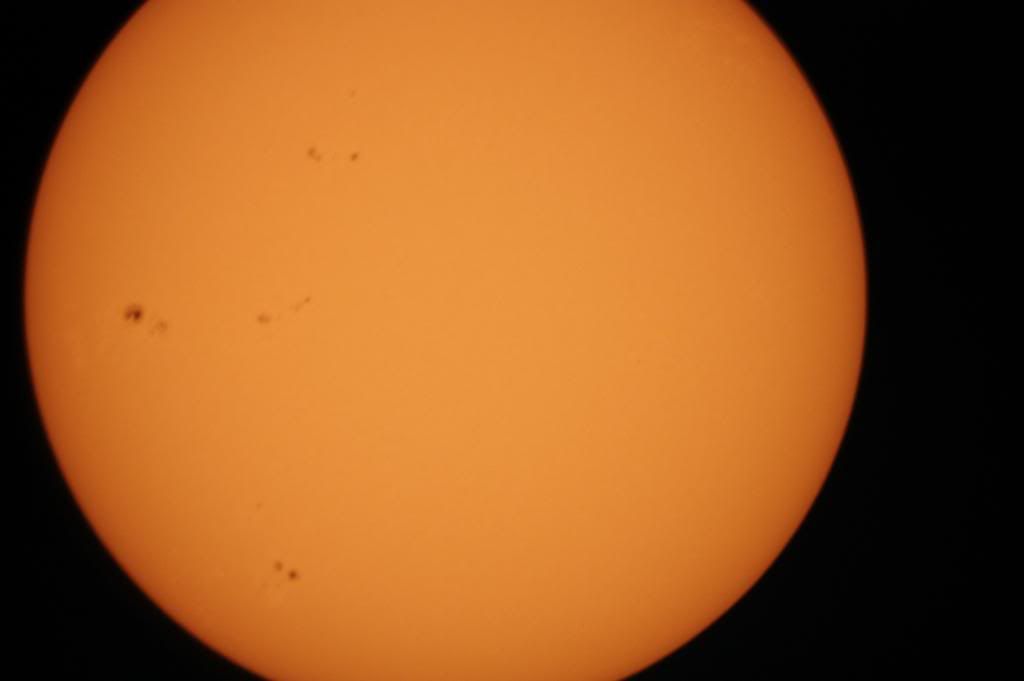
Sunspots 1742, 1743, 1744, 1747, 1746, 1747 according to spaceweather.com

May 13, 2013 1025hrs AST

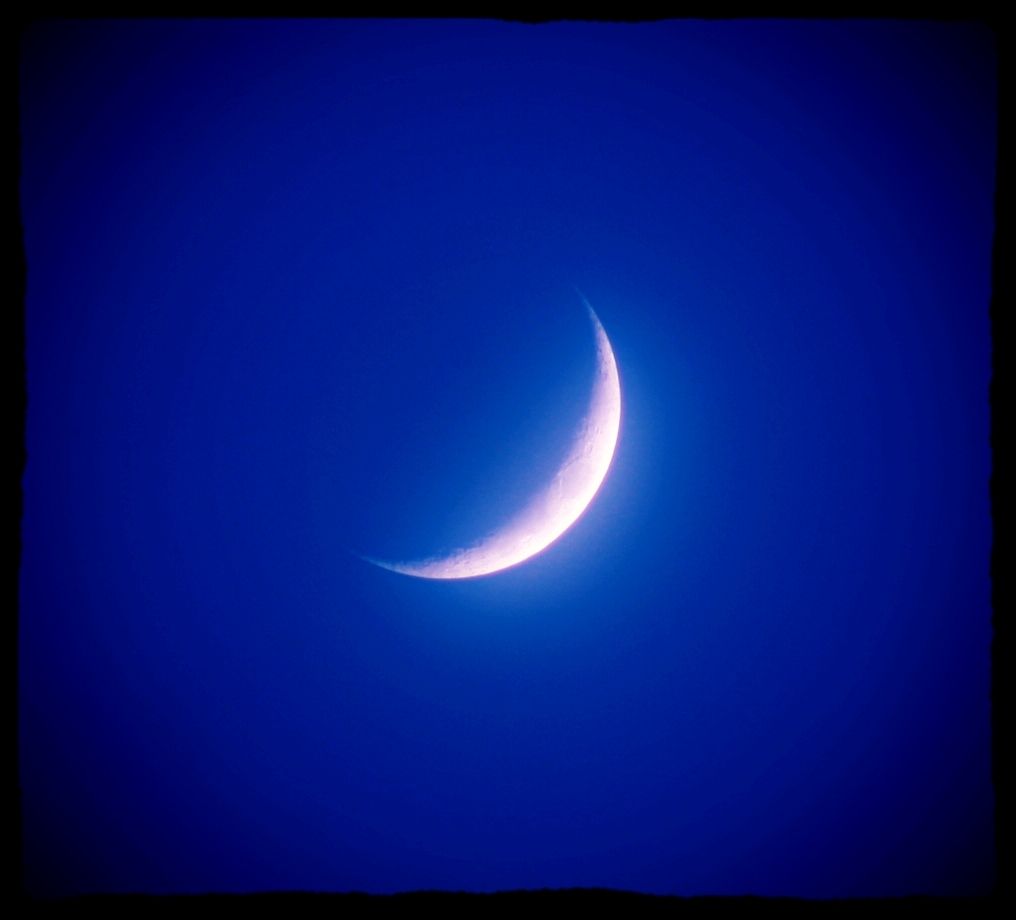
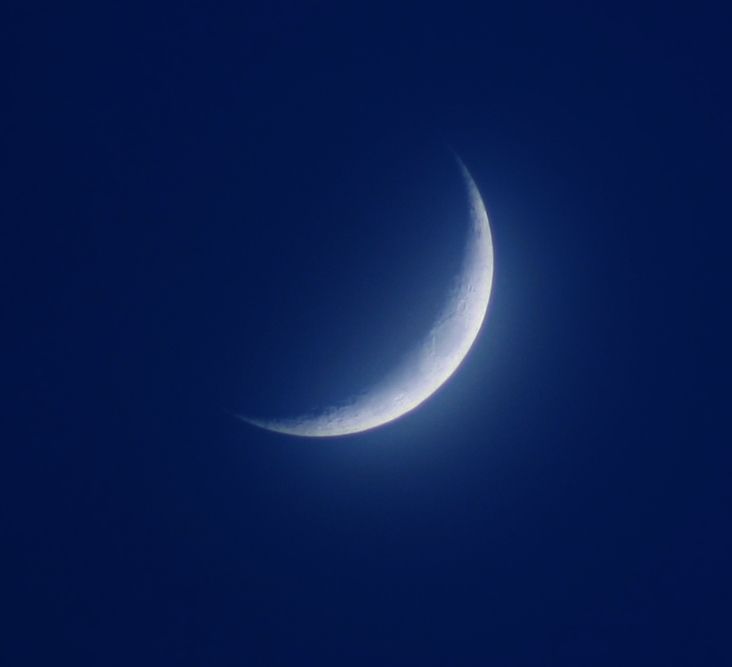
Crescent Moon from Dartmouth, NS May13, 2013 2020hrs


Followers

Blog Archive