Twitter

Tuesday, May 14, 2013

OBSERVING REPORT

Location:  Morning-Little Lepreau, NB.  Evening-Dartmouth,  NS

Date Time:  May 13, 2013 1000-1130hrs and 2015-2030hrs Atlantic Standard Time

Weather:  Morning in Little Lepreau- started off cool, 11degrees Celsius, slightly hazy to clear, very light breeze then around 1030 wind picked up to a gusty state.  By 1130 there were solid 30mph southerly winds.  By 1300 winds may have passed 50mph.
Evening in Dartmouth-warm, approximately 20 degrees Celsius, intermittent rain clouds coming from south to north partially blocked view of western sky.  No wind, kind of humid.

Attendance:  Myself

Equipment:  Canon DSLR camera with tripod, 75-300mm lens, 8 inch Meade LX 200 telescope.

Objectives:  To capture images of sunspots with DSLR camera and the new planetary imager.  To capture the conjunction between the crescent Moon and Jupiter.

Report:  The morning session was greatly affected by high gusty winds, which picked up from next to nothing to over 50mph sustained winds, from the south by noon.  The very solid tripod for the telescope greatly helped, although many images were blurred due to the shaking.  

It was known that there were going to be winds, but the forecast also called for mainly clouds, so was pleasantly surprised to see it nice and clear and sunny at 0930 although it was cool.  Definitely jacket and hat weather.  It was decided at this time to try to get some images of the Sun.  Shortly after the scope was set up, the winds picked up speed to a steady 20mph, with telescope stuff blowing everywhere.

While setting up, remembered that last time, the scope could not locate Jupiter.  At the May meeting of the Saint John Astronomy club, Mike P. thought that maybe the time setting on the scope was off.  Sure enough, went into the Date Time settings and the scope was set for the completely wrong date and time.  Thanks again to Mike P.!!!  Just goes to show how important it is to talk to other people who share the same interest.  Telescopes, and their accessories can be very complicated devices, and it cannot be said enough how important it is to talk to others in the know.  It can be challenging, but that's what make it such a rewarding hobby.

After set up, decided to try using the tracking system, so that constant adjusting wouldn't have to be done.  Since there were no stars in the sky to align the scope on, a compass was used to point the scope straight north, then inclined the scope so that it was pointing to where Polaris might be.  Then picked Mercury in the GoTo mode, but the scope said, "Too Close To Sun".  With the solar filter firmly attached, the scope was then manually, with the keypad, pointed at the Sun, which was getting high in the SE direction.  With a little doing, the Sun was found, but the tracking did not work perfectly.  It did need to be adjusted rather frequently.

Once scope was set up, and the Sun was located in the filtered scope, the 2" 30mm eyepiece was used to for viewing.  At this time it was seen that the 2" right angle attachement piece that attaches connects the eyepieces to the telescope, the mirror has much dust on it, which affects the view.  Despite this, many Sunspots were easily visible, with many more that were sort of tickling the eye.  It may be time to do an all around cleaning of the all the mirrors, eyepieces and accessories.  This can ruin an observing session, if it is not done right, so some thought has to go into it.  This observer has never even attempted to clean a eyepieces or primary mirrors up to this point in time.

As the wind started to pick up, it was then decided to try to get some images, before it got too windy.  Many images were obtained with the DSLR camera, but due to the wind and my schedule for that day, it was determined not to try out the Planetary Imager on this day.

The evening session was done in Dartmouth, NS.  Looked for Venus and Jupiter, which were suppose to be low in the Western sky at sunset, but they were not seen as it was very cloudy.  It was much warmer in Dartmouth, with very little wind.  Thin crescent Moon could be seen through breaks in large, heavy, dark rain clouds there were moving slowly across the evening sky.

No satellites or shooting stars were observed during this session.
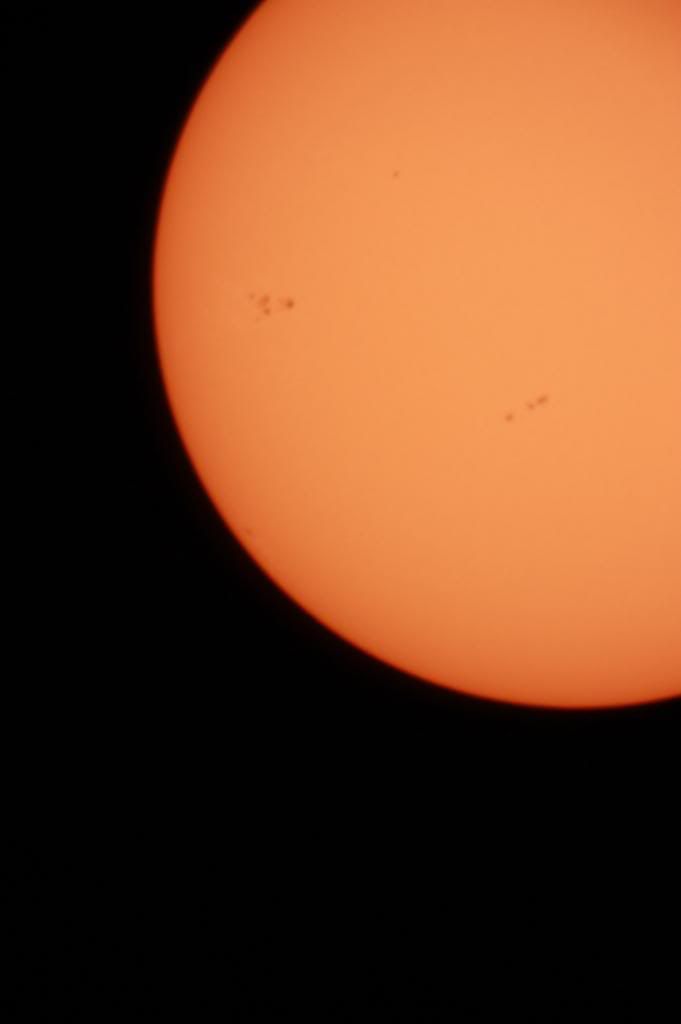
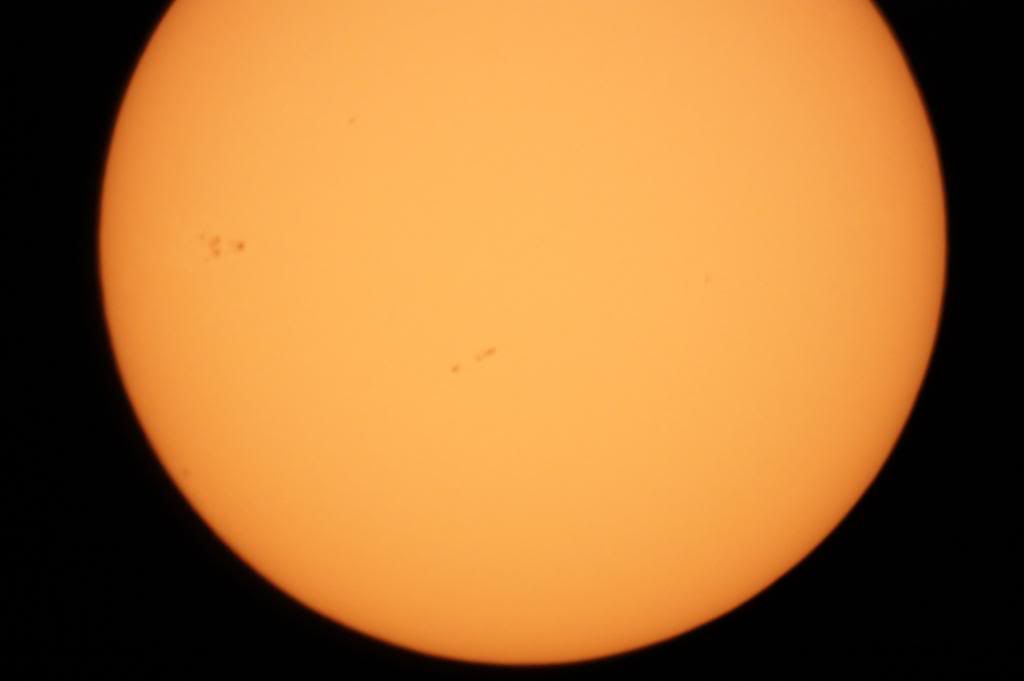
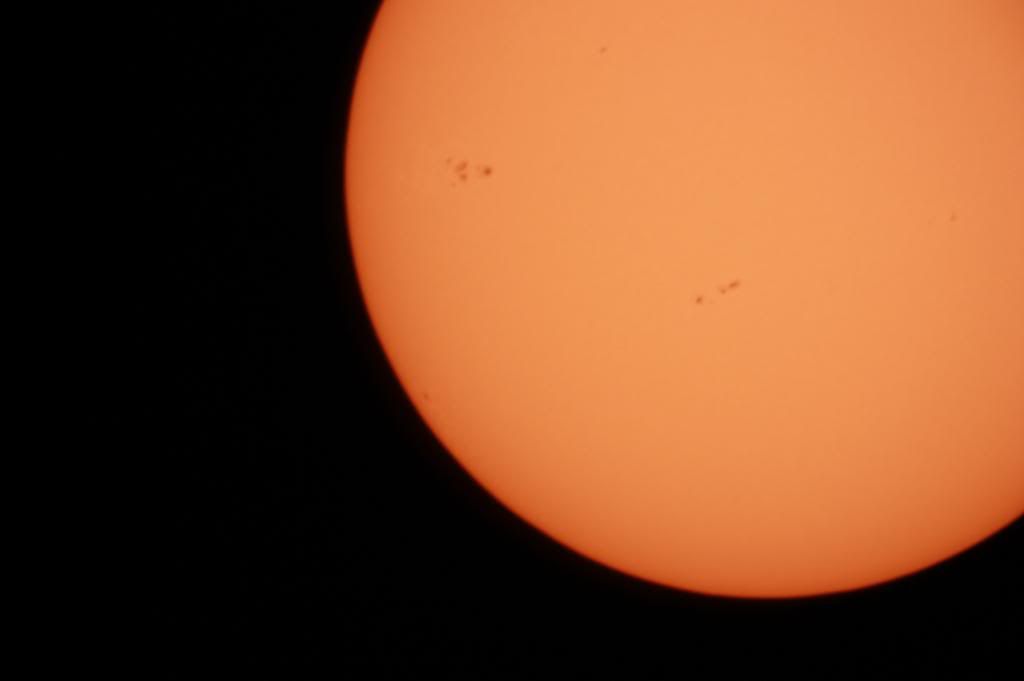
Sunspots 1742, 1743, 1744, 1747, 1746, 1747 according to spaceweather.com

May 13, 2013 1025hrs AST

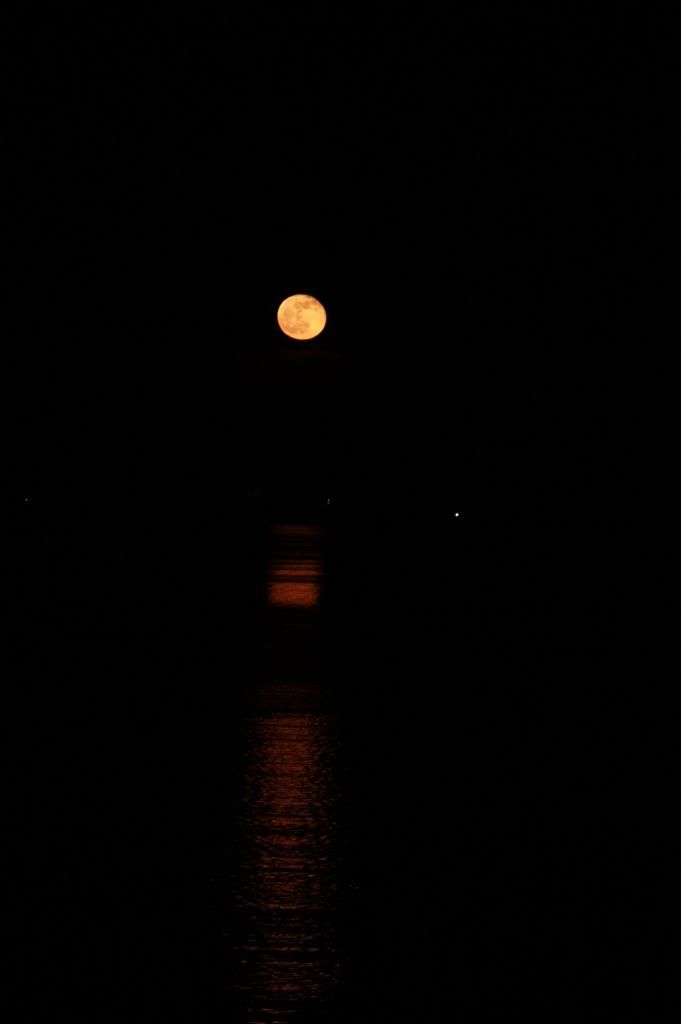
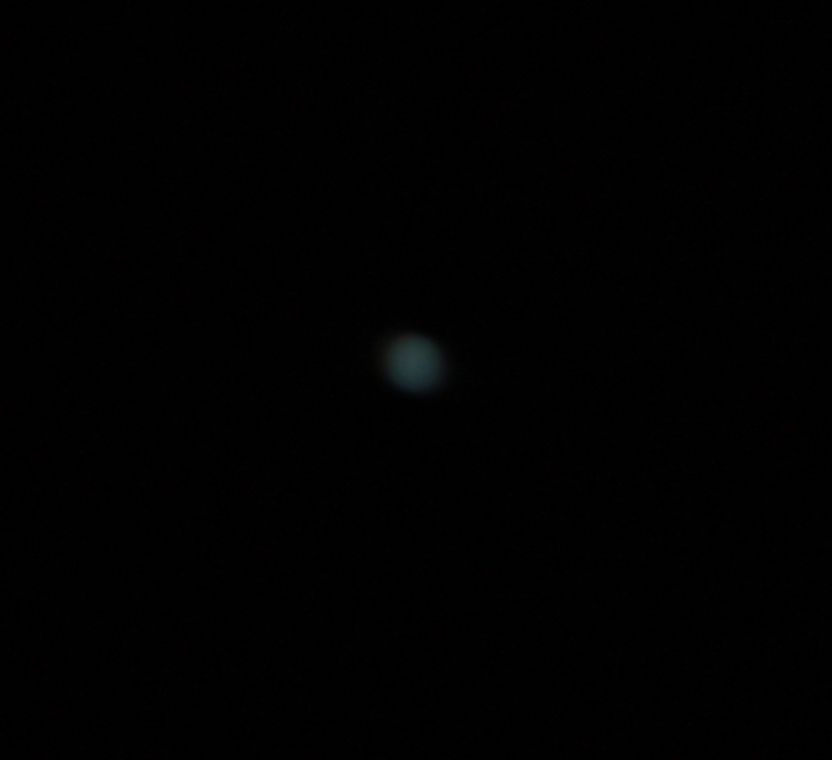
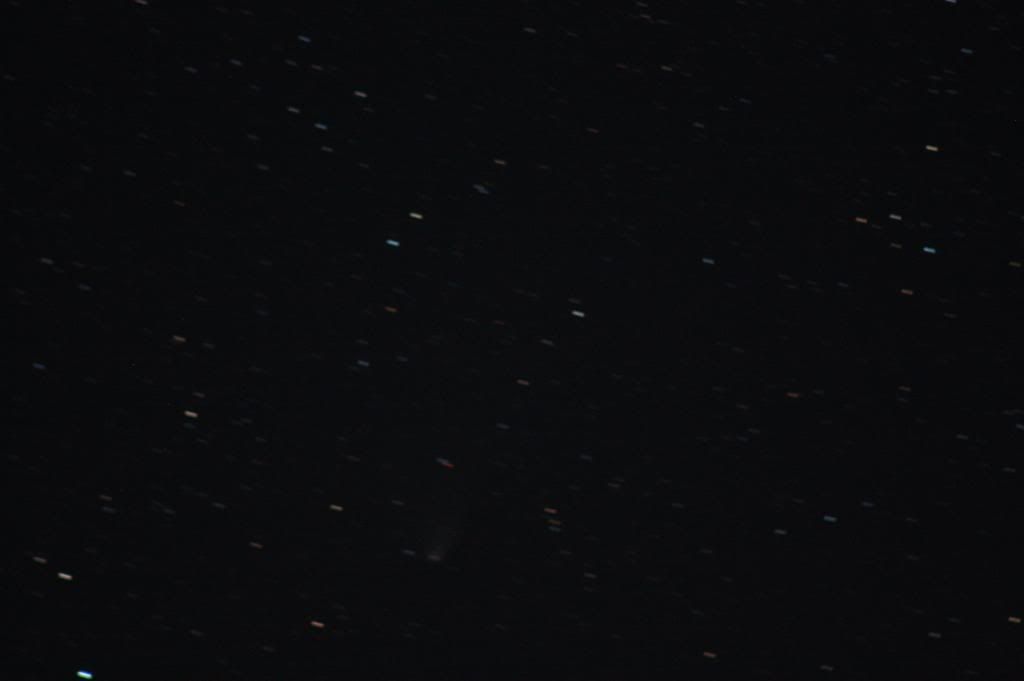
Crescent Moon from Dartmouth, NS May13, 2013 2020hrs


Saturday, May 11, 2013

MOTH CLOSEUP

Always find it fascinating how much detail comes out in closeup images of insects. This approximately 2.5 inch long moth is no exception. The otherwise common creature appears almost mammal like, with all of its fur. These images were taken as the moth was perched on the side of the house, May 11, 2013 at 1204hrs. Notice how its legs seem to stick into the wood to hold it there.


Friday, May 10, 2013

STAR PARTIES 2013


Summer is coming up and so is the time for star parties.  If you don't have a telescope, but are interested in astronomy, attending a star party will give you access to amature astronomers who love to share their knowledge of the night sky.  Its also a great place to see many different kinds of telescopes and help you decide which kind of observing device is right for you.  Its also a great place to talk about all things astronomy with people who share the interest.

Here is a link to an annual star party in Nova Scotia, called Nova East.  There are several around New Brunswick this summer; one at Mount Carlton provincial park, one at Mactaquac provincial park, and the  Kouchibouguac Stargaze.  Those are just the ones I'm aware of, there might also be one at Fundy National Park.  For more info on star parties, go to the Saint John Astronomy Club website.


Found this image at this website http://www.pbase.com/astronut/novaeast2012

Monday, April 29, 2013

OBSERVING REPORT APRIL 28, 2013

Location:  Little Lepreau Basin, Little Lepreau, New Brunswick

Date Time:  April 28, 2013 2100-2330hrs

Weather:  At sundown temp was 15 degrees Celsius, at 2330hrs temp was 2 degrees Celsius, clear, no wind, excellent viewing.  There was frost on the vehicles the next morning.

Attendance:  Myself

Equipment:  Canon Rebel DSLR with 18-55mm and 75-300mm lenses, 20x80 binoculars, 8" Meade LX200 telescope with 32mm eyepiece, tripods for telescope and binos.

Objectives:  To capture Comet PanStarrs in an image through telescope.  Capture images of M52, M103, M76, and M34 which, along with PanStarrs are all in or around Cassiopeia which was in NNW sky at sundown.

Report:  None of the objectives were met.  Did get an image of PanStarrs (image can be seen below report)with camera and 75-300mm lens attached piggyback to the scope, but it did not turn out well because of poor focus.  Could not find the comet through the scope, although many attempts were made. 

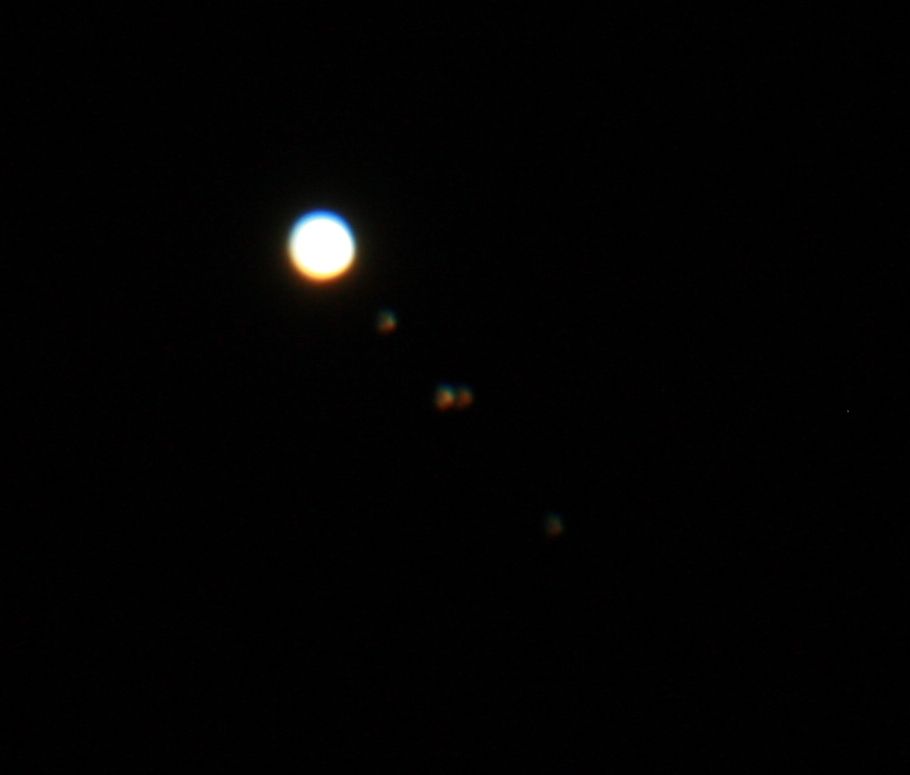
Viewed Jupiter, which was low in the western sky at sundown, first through telescope.  All 4 of its visible moons were on the left side of the big planet, with two of them very close.  After the search for PanStarrs, images were taken of Jupiter.

It must be noted that there was trouble with the GoTo function on the telescope.  After aligning the scope on Betelgeuse, the keypad said that Jupiter was below the horizon.  Tried aligning on Polaris with the same result.  At this point, the telescope was then pointed manually, with the keypad, so that the tracking could be used.  This was the first time that Jupiter could not be found with the GoTo.  Tracking did allow for images of the stars, even long exposure shots through telescope, although there were star trails in the images.

It also must be noted that there was something walking through the woods, behind the old house.  Might have been a deer or moose...

This site was chosen because of its decent view of the western sky and its dark skies, but it has many down sides. There is usually a strong wind coming off the water, frequently cars will drive up and turn around with high beams gleaming.  Even though this is a dead end road, there is frequent car traffic.  Finding a good observing site, where there is little or no car traffic, dark skies, and a good view of the whole sky seems to be a challenge in itself.

Getting back to observing;  The tripod mounted binoculars were used in an attempt to find the objective Messier objects.  Did view a cluster of stars to the west of where I thought M103 should be.  Could not confirm it was the open star cluster M103.  None of the M objects could be confirmed.  Jupiter and four of its moons were viewed.

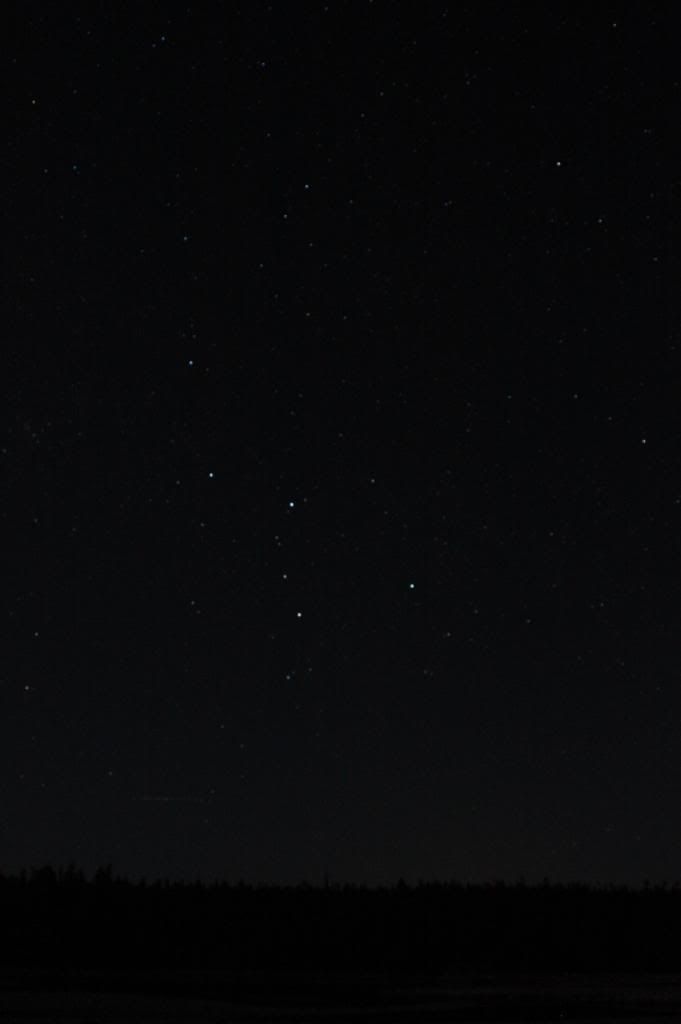
Two shooting stars were seen around PanStarrs at about the same height in the sky going from North to West.  A satellite, going from West to East, was observed going across the Big Dipper, which was high and upside down, about an hour after sundown.
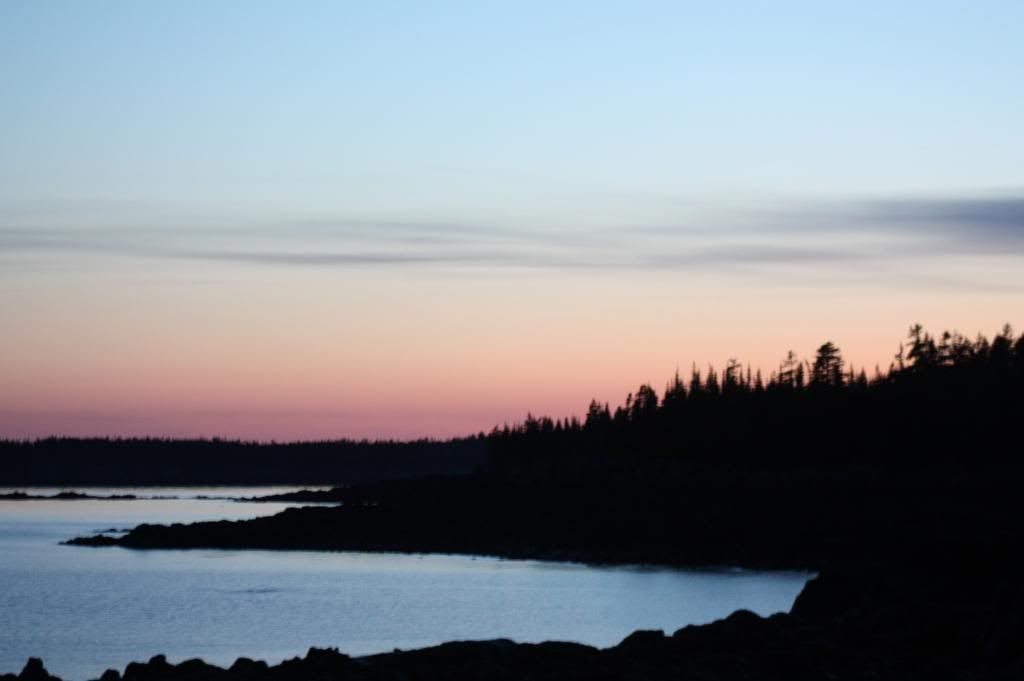
Observing site at sundown.  April 28, 2013 2121hrs

Jupiter and four of its moons.  April 28, 2013 2305hrs

Comet PanStarrs( low near center left of image) April 28, 2013 2137hrs


Sunday, April 28, 2013

BAY OF FUNDY TIDES

Location:  Pocologan, NB


April 27, 2013 Low Tide 0648hrs


April 27, 2013 Low Tide 0648hrs


April 27, 2013 Rising Tide 0830hrs


April 27, 2013 Rising Tide 0830hrs

April 27, 2013 High Tide 1227hrs

April 27, 2013 High Tide 1227hrs

Saturday, April 27, 2013

OBSERVING APRIL26/27,2013

Moon 97.8%Full April26, 2013 2230hrs

Sun April27, 2013 0830hrs  Sunspots 1731(triangle shape), 1728 and1730


Thursday, April 18, 2013

APRIL 2013 OBSERVING IMAGES


Jupiter April 11, 2013 2119hrs
Jupiter with two of its moons behind it. April 11, 2013 2125hrs


Comet PanStarrs in Cassiopia April 17, 2013 2235hrs
Jupiter in Taurus April 17, 2013 2225hrs
Cassiopia April 17, 2013 2230hrs

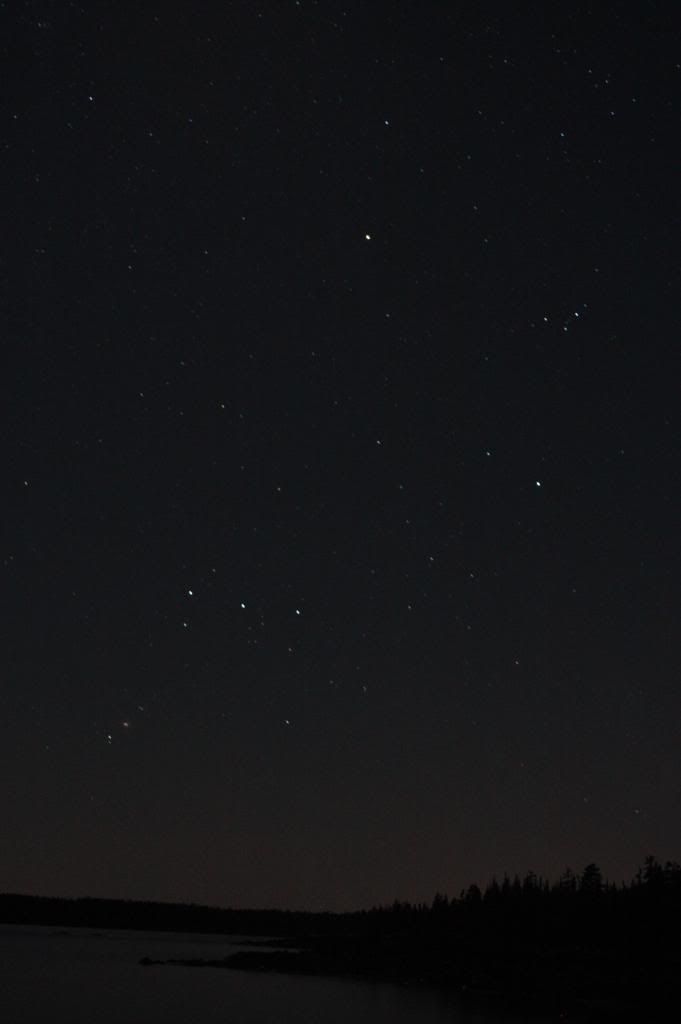
Orion over Bay of Fundy April 17, 2013 2217hrs

Jupiter in Taurus April 17, 2013 2223hrs
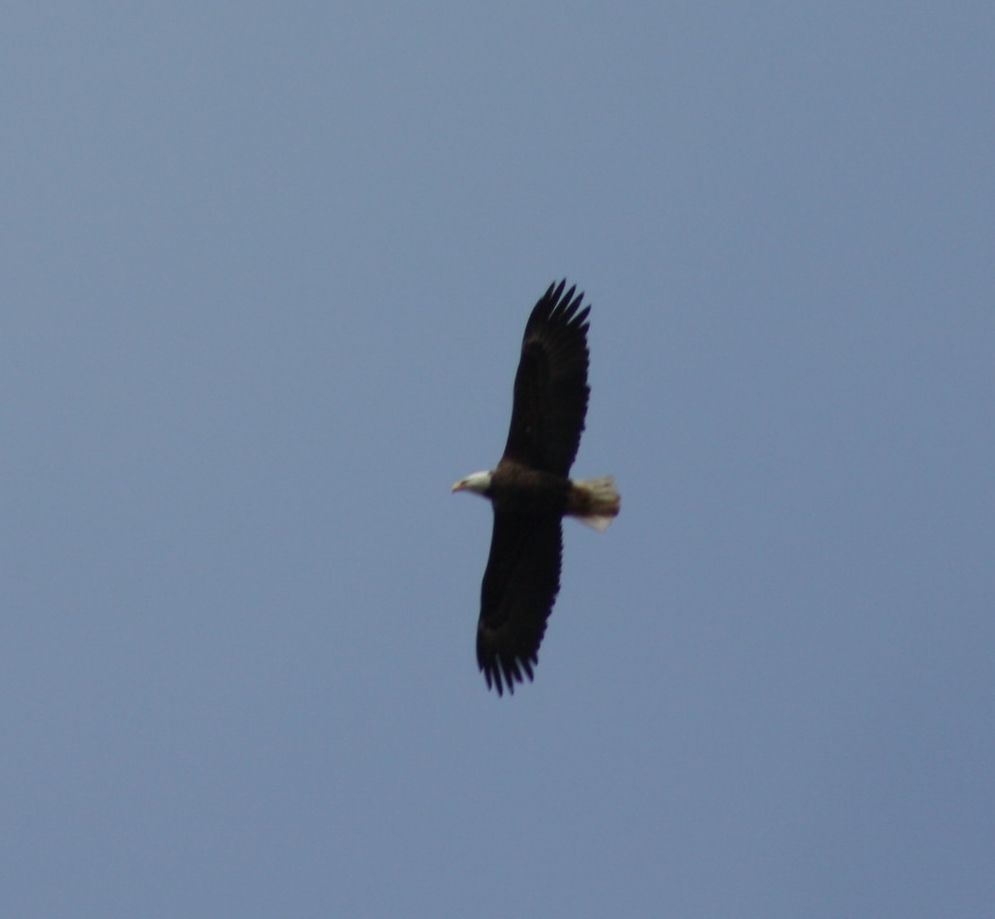
Eagle April 15, 2013 over the Bay of Fundy

Followers

Blog Archive